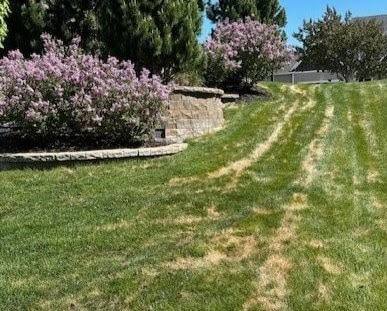
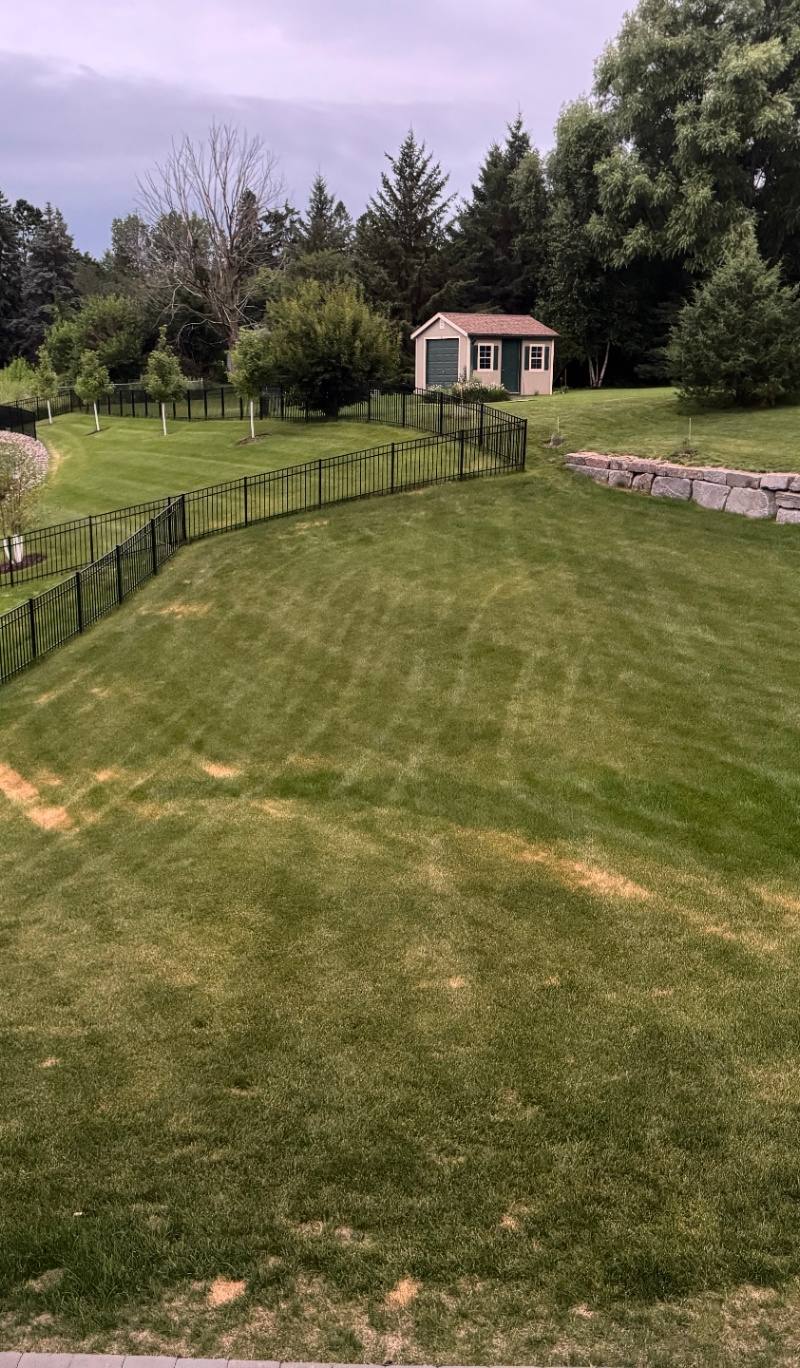
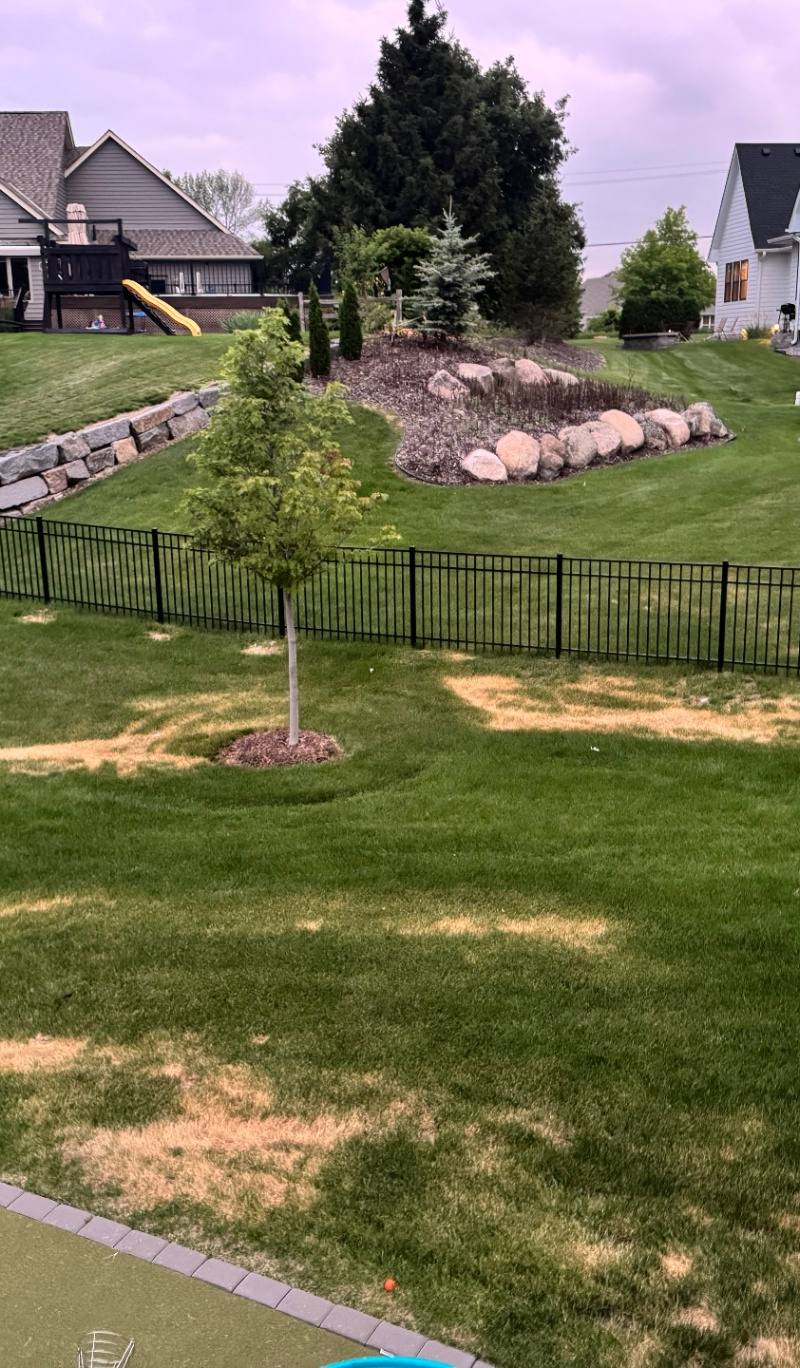
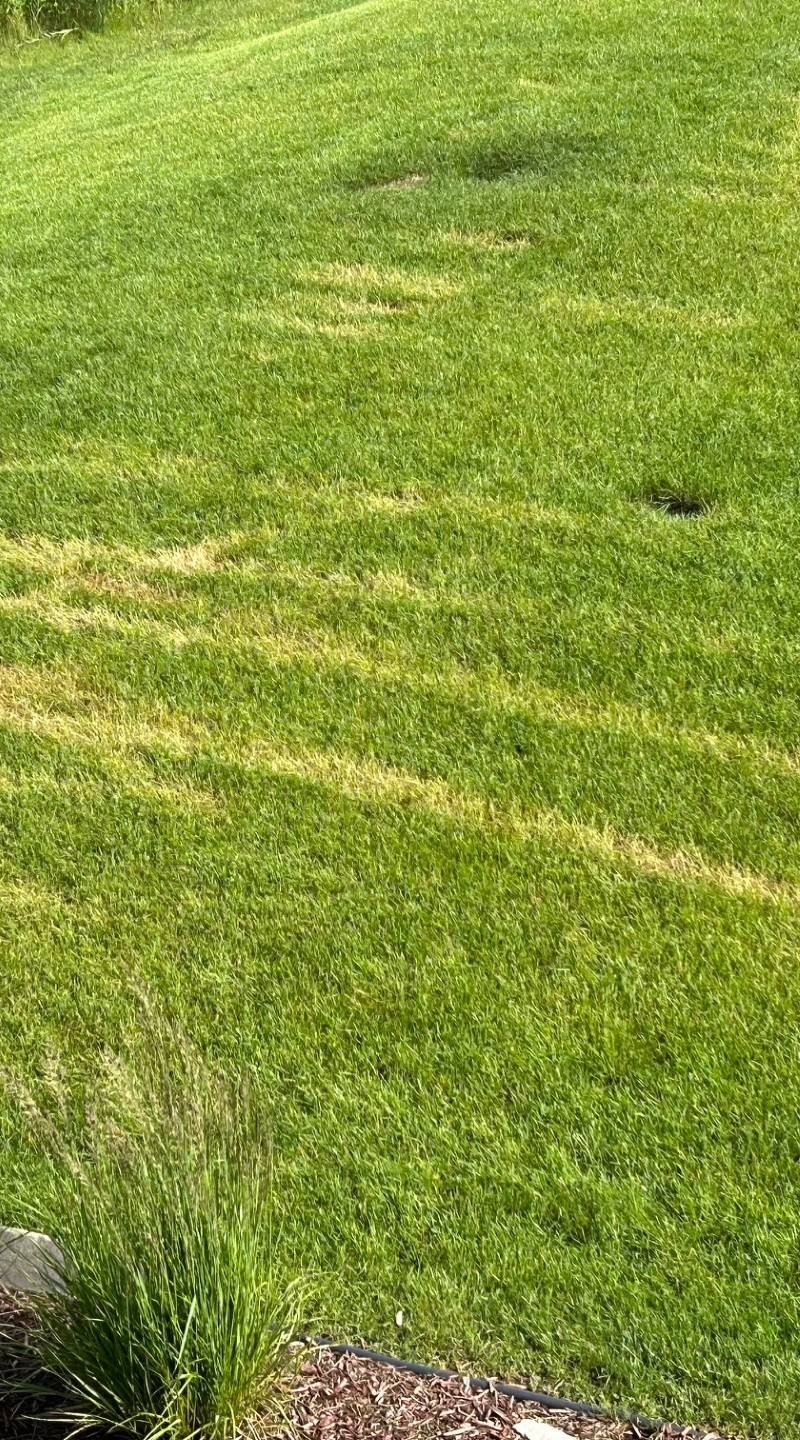
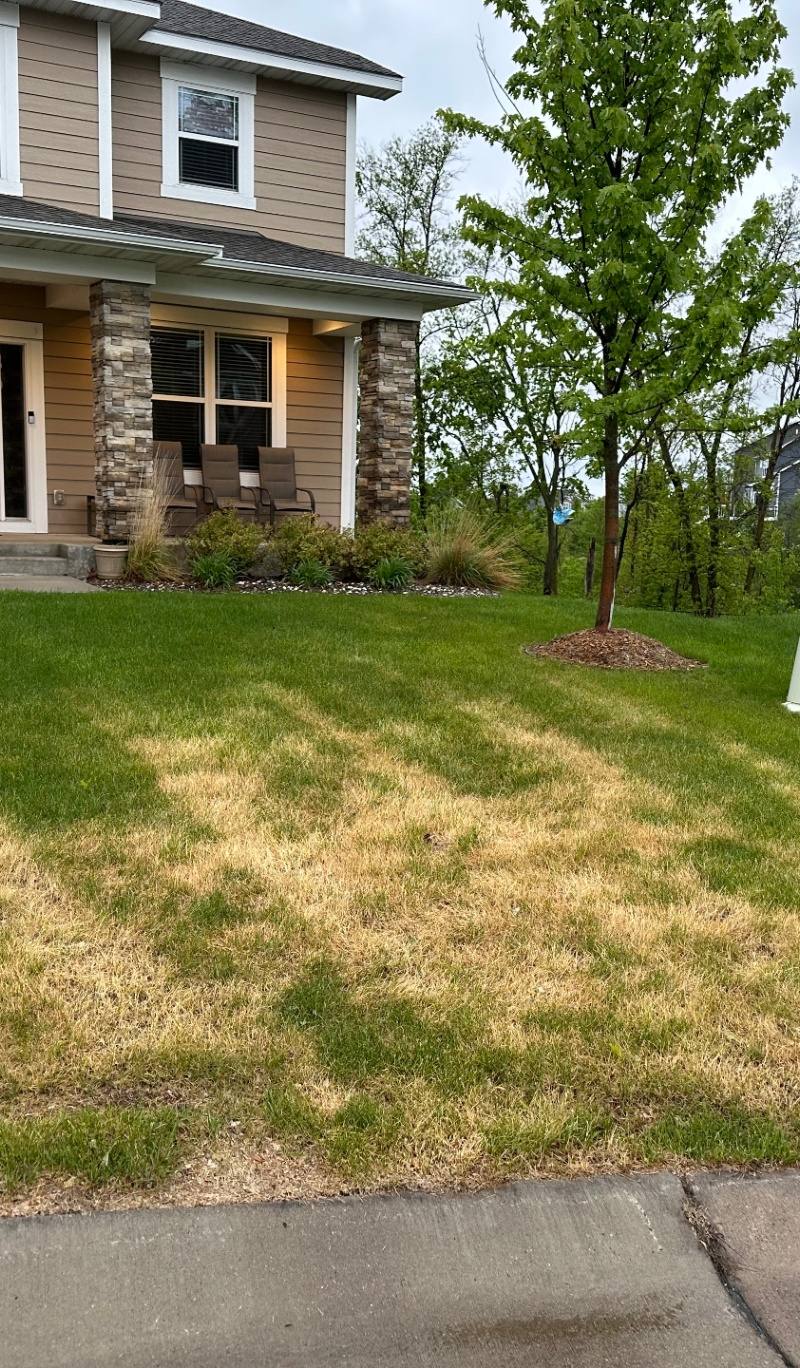
If you've noticed large, straw-colored patches appearing in your lawn almost overnight, you're not alone. The culprit? Ascochyta Leaf Blight, a common foliar fungus that has been making the rounds in our area.
Fungus spores are naturally present in every healthy Upper Midwest lawn, just waiting for the right environmental triggers to wake them up. While most fungi thrive in constant wetness, Ascochyta is unique: it typically strikes when hot, dry weather suddenly moves in right after a rainy stretch.
When Ascochyta strikes, it's completely natural for homeowners to panic, often worrying that their grass is dead or that a fertilizer application went horribly wrong. Fortunately, that is not the case! This fungus only attacks the upper grass blade (it does not damage the crown or the roots). Your lawn is not dead, and it will naturally recover in just a few weeks.
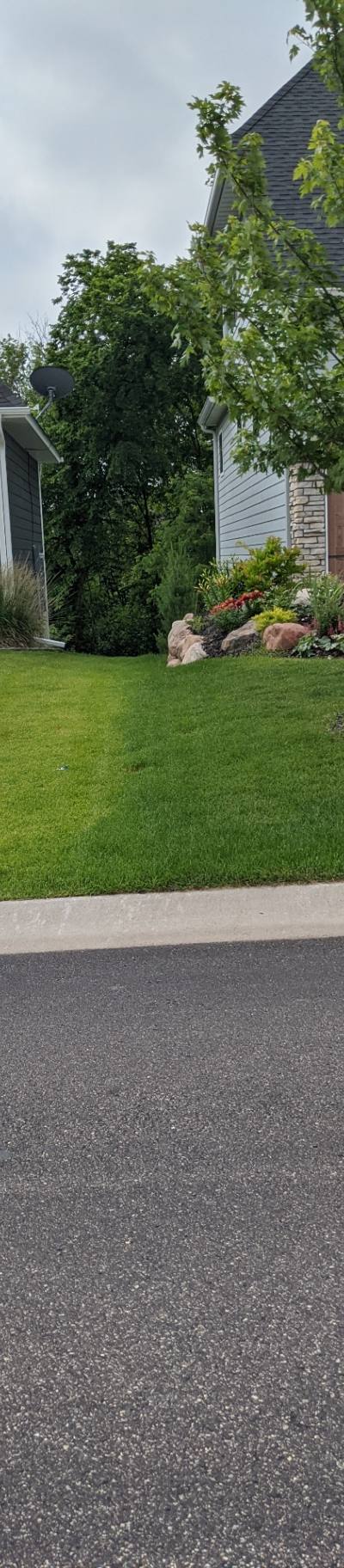
Why Does It Look Like "Wheel Marks"?
You might notice distinct bleached streaks running through your yard, perfectly tracing the path of a lawn mower. Because Ascochyta enters the grass blade through the fresh wound left by a mower cut, moving across the lawn when the grass is wet can drag the spores along, creating tracks. These look incredibly similar to fertilizer burn or drought stress, which is exactly why this disease is so frequently misidentified.
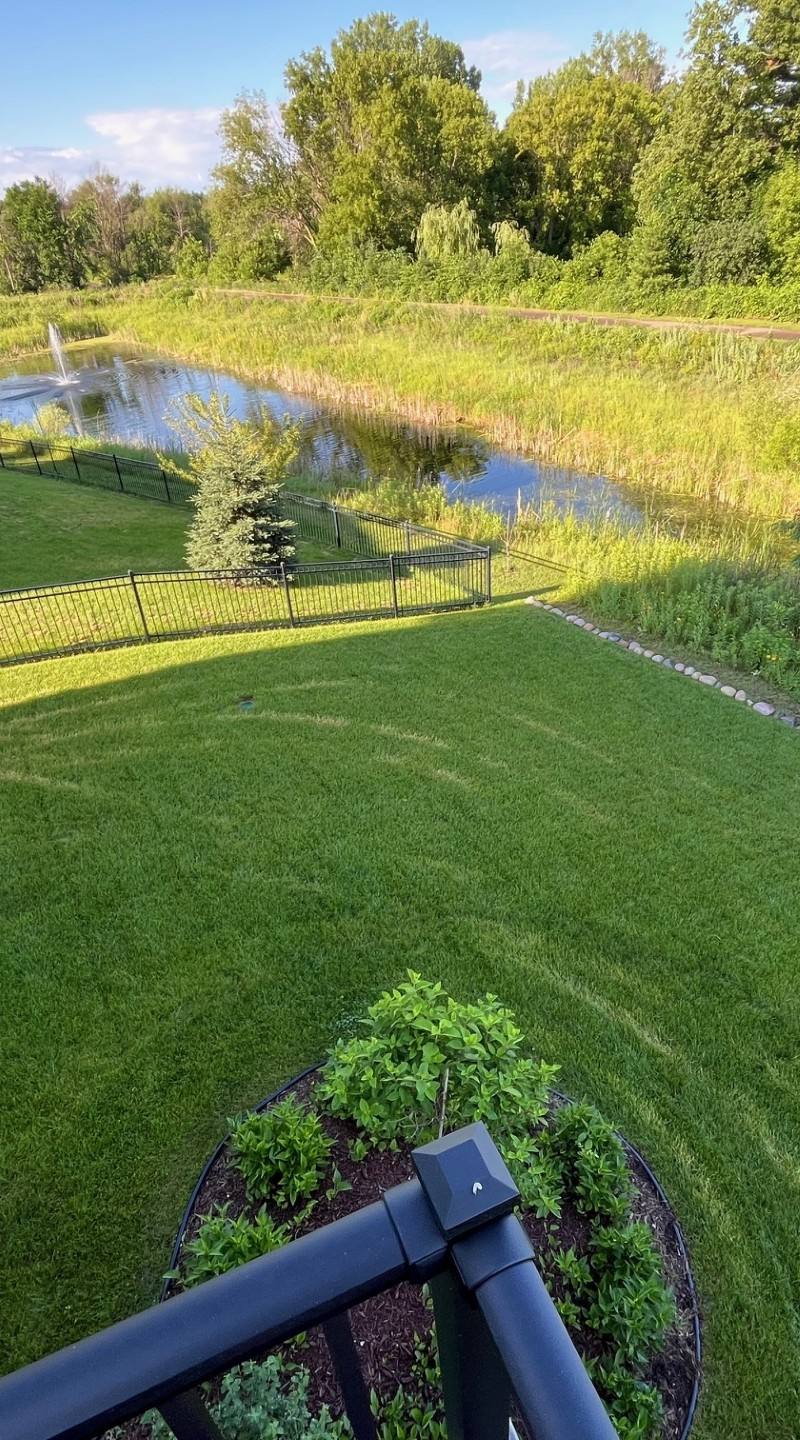
While Ascochyta Leaf Blight will resolve on its own as weather patterns shift, adopting healthy habits and utilizing professional care will help your lawn bounce back faster and resist future outbreaks.
Your Two-Part Strategy for a Resilient Lawn
1. Cultural Practices: Your Daily Defense
- Mow High & Keep It Sharp: Maintain your grass at 3 to 3.5 inches, and raise it slightly during an active outbreak to reduce stress. Always ensure your mower blades are sharp; a clean cut heals quickly, while a dull, ragged tear creates a massive open door for fungal spores.
- Water Deeply and Infrequently: Water early in the morning (between 4 AM and 8 AM) so the sun can dry the grass blades during the day. Avoid frequent, shallow watering or evening watering, which leaves the grass wet for too long overnight.
- Hold Off on Wet Mowing: Avoid mowing your lawn when the grass is wet with dew or rain, which easily transports spores from blade to blade.
2. Professional Care: Correcting the Root Issues
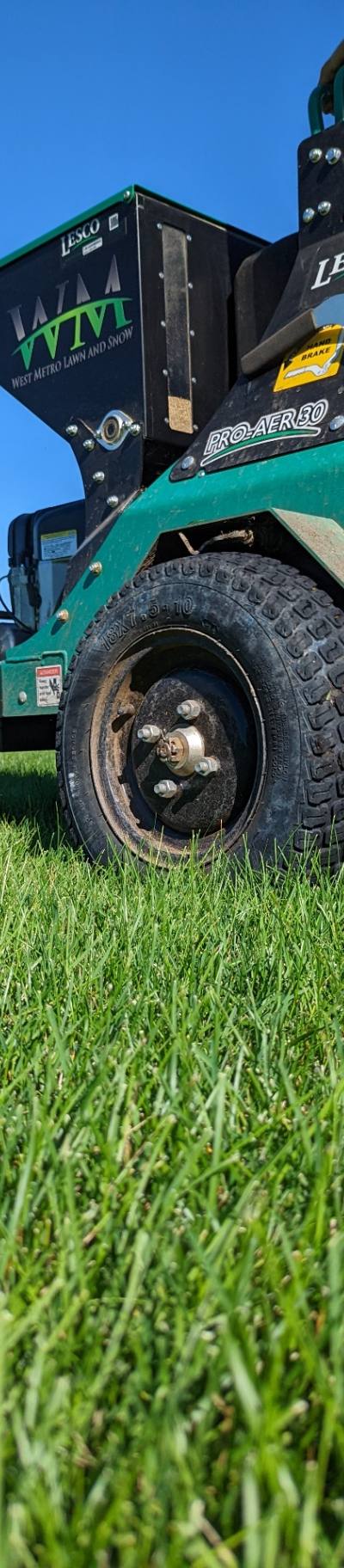
- Core Aeration: Performing this yearly relieves soil compaction and reduces heavy thatch where fungal spores over-winter, significantly improving air circulation.
- Balanced, Slow-Release Nutrition: Heavy spring nitrogen applications cause a flush of weak, succulent growth that Ascochyta loves to attack. We utilize premium, slow-release fertilizer to provide steady, controlled nutrition.
- Overseeding: Introducing diverse, high-quality, disease-resistant grass varieties creates a dense turf canopy that naturally resists seasonal blights.
Our Stance on Fungicides
Because Ascochyta is a superficial leaf disease that doesn't kill the roots, local university extensions do not recommend chemical fungicides for it. Fungicides are an expensive, temporary fix that can disrupt the beneficial microbial ecosystem your soil needs to stay healthy. A long-term strategy built on proper cultural care is the superior, science-backed approach for a truly resilient Minnesota lawn.
Ready to protect your lawn? Contact us for a free estimate on aeration & seeding or our fertilizer & weed control program.