Aeration & Overseeding
Core aeration is one of the most beneficial things you can do for your lawn. By removing small plugs of soil, we relieve compaction, improve air and water flow to roots, and create the perfect environment for new seed to thrive.
Why Aerate?
Minnesota's clay-heavy soils compact easily, suffocating grass roots. Core aeration breaks through that compaction so water, nutrients, and oxygen can reach the root zone where they're needed most. Think of it as giving your lawn room to breathe.
The Compaction Problem
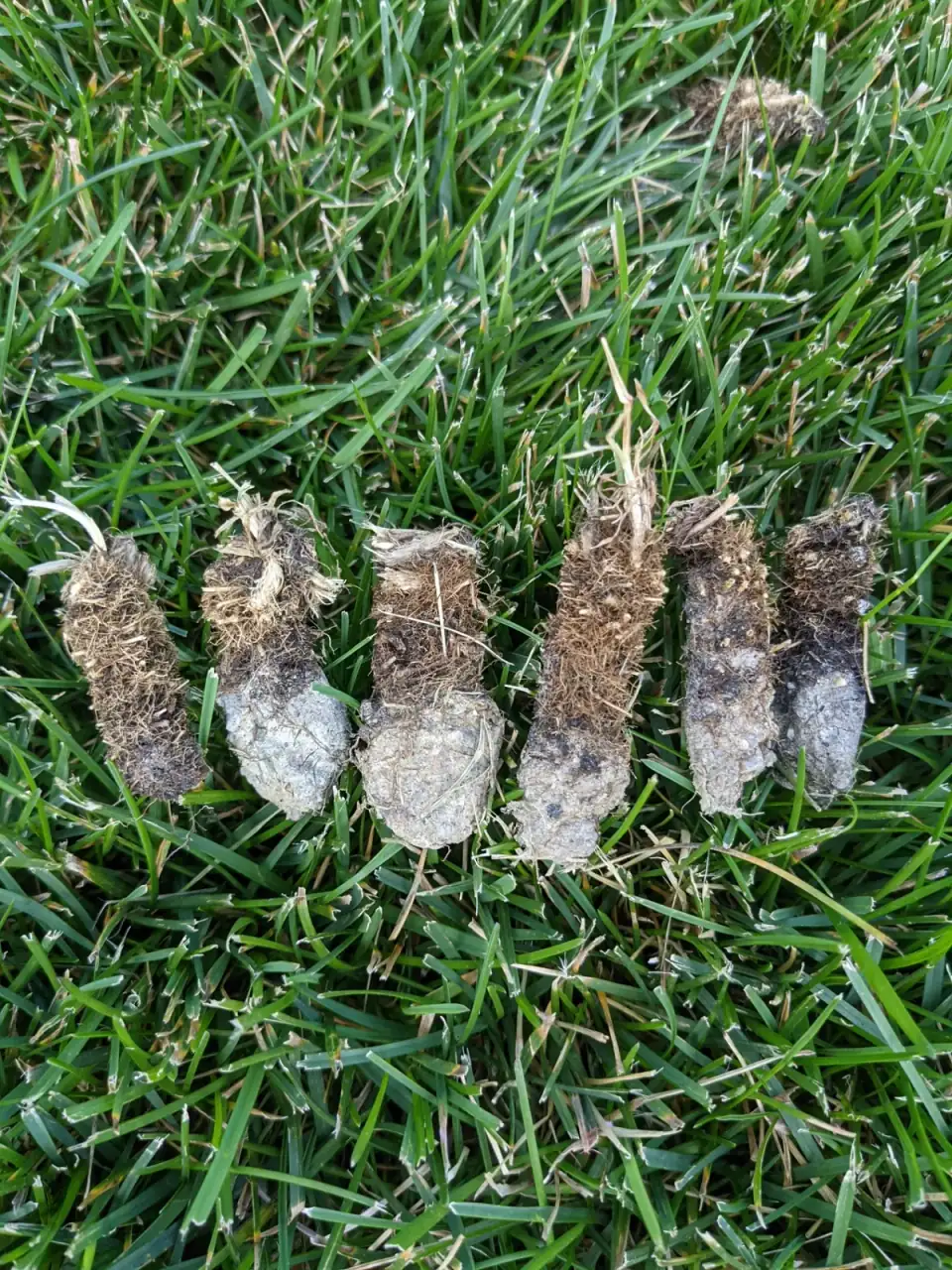
Every day, foot traffic, mowing equipment, and even rain gradually compress your soil. Over time, this creates a dense layer that prevents grass roots from growing deep enough to access water and nutrients. The result? Thin, patchy turf that struggles through hot summers and harsh winters.
Core aeration solves this by pulling thousands of small soil plugs from your lawn, creating channels for air, water, and fertilizer to penetrate deep into the root zone. Combined with overseeding, it's the single most effective way to transform a struggling lawn into a thick, lush carpet of green. If you're starting from scratch and weighing your options, our guide on choosing between seed and sod walks through the cost, timeline, and durability tradeoffs for Minnesota lawns.
Our 3-Step Process
1. Core Aeration
We use commercial-grade aerators to pull 2-3 inch soil plugs across your entire lawn, relieving compaction at the root level.
2. Overseeding
Premium seed blends matched to your lawn's sun/shade conditions are broadcast directly into the aeration holes for ideal seed-to-soil contact.
3. Follow-Up Care
To ensure your landscape thrives, we provide general care guidelines. These steps keep your investment vibrant and healthy for years to come.
Benefits of Aeration & Overseeding
- Reduces soil compaction for healthier roots
- Improves water and nutrient absorption
- Thickens thin or bare spots with new seed
- Enhances fertilizer effectiveness
- Increases drought and heat tolerance
- Reduces thatch buildup naturally
- Creates ideal seed-to-soil contact for germination
- Strengthens lawn against disease and weeds
When Should You Aerate?
Spring (May) & Fall (August / early September) — Cooler temps, warm soil, and consistent moisture create the perfect germination environment. New seedlings have time to establish before winter dormancy.
Why Choose West Metro?
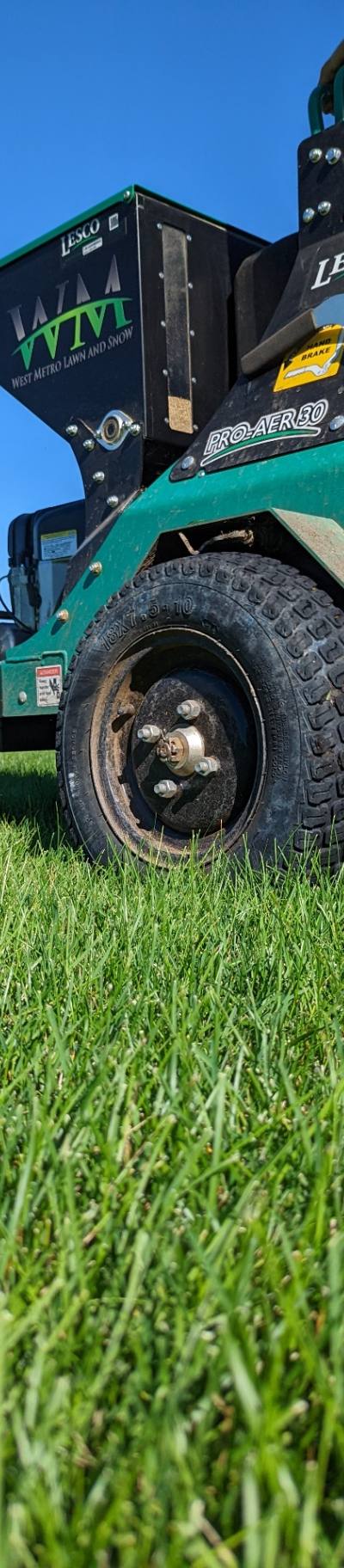
Commercial Equipment
We use heavy-duty core aerators that penetrate deeper than homeowner-grade machines.
Premium Seed Blends
We use seed varieties specifically suited to Minnesota's climate and your lawn's conditions.
Expert Timing
Too early or too late causes damage or poor results. We service during the optimal window.
Full Aftercare Guide
We provide every client with watering and care guidelines to protect their investment.

Frequently Asked Questions
Common questions about our aeration & overseeding services
What Our Clients Say
Real reviews from homeowners who use our aeration & overseeding services

5 days ago
I was grateful for an email sent ahead of our aeration service that allowed me to mark our sprinklers and invisible fence. I met the service provider outside and explained that I didn't know the prec...
Read full review by Summer Beecher
3 months ago
These guys do a nice job and I have them handle the stuff that I don't have the equipment to do like aeration and dethatching.

3 months ago
West Metro did a great job on the overseeding, my yard has never looked better!
Related Articles
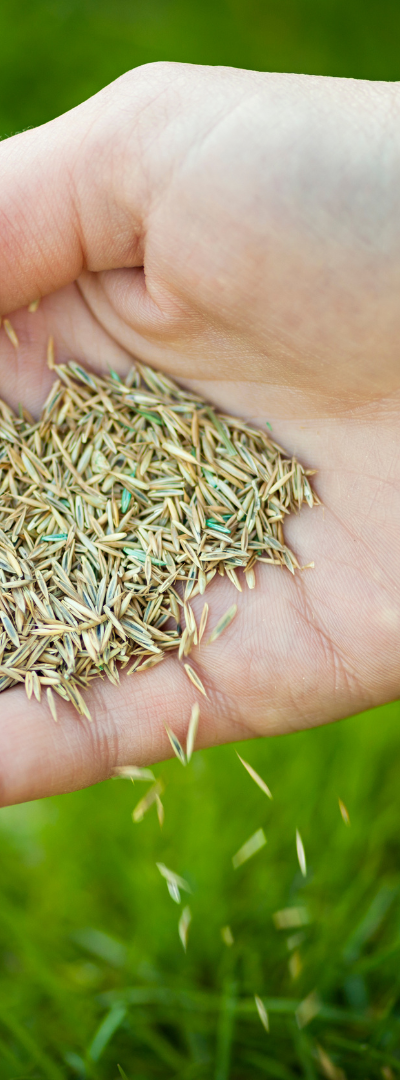
Seed? Or Sod?
Seed or sod for a Minnesota yard? Compare cost, establishment time, soil prep needs, and which option performs best in our short growing season and clay soils.
Read more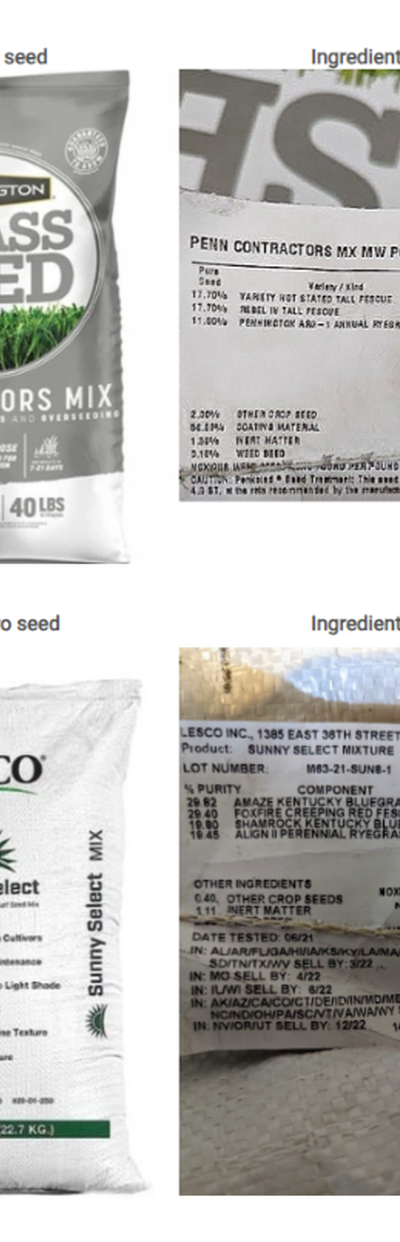
Grass Seed: Buyer Beware!
Not all grass seed is created equal! Learn why good seed costs more and how to read the label on your seed bag.
Read more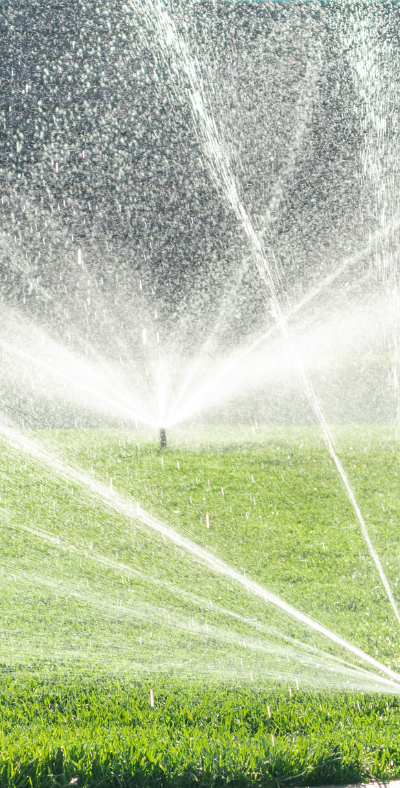
Watering 101
Watering 101 for Minnesota lawns: how often, why morning timing matters, target depth per zone, and how rain sensors prevent overwatering during summer storms.
Read more