
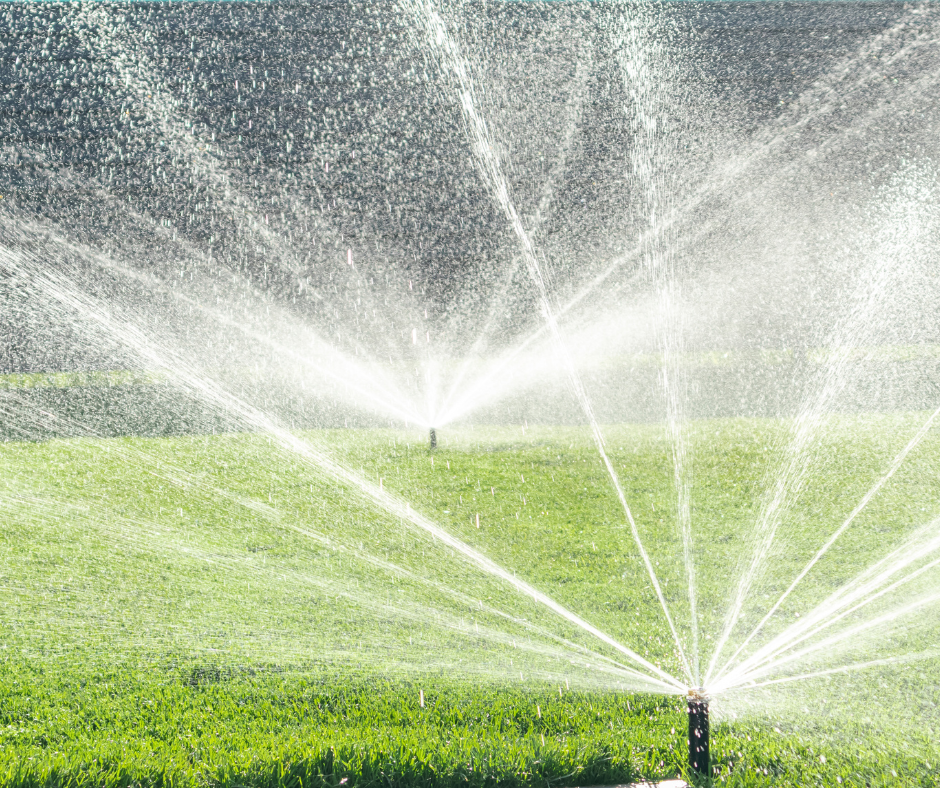
When it comes to watering your lawn, there are best practices to ensure optimal health and growth. Here are some key tips for watering your lawn the right way:
- Deep and Infrequent Watering: Water your lawn deeply but less frequently. This encourages deep root growth, making your grass more resilient to drought conditions. Shallow, frequent watering can lead to shallow roots.
- Early Morning Watering: Water your lawn early in the morning. This allows the grass to absorb moisture before the heat of the day, reducing the risk of evaporation and fungal diseases.
- Avoid Watering in the Evening: While morning is ideal, avoid watering your lawn in the evening. Moist conditions overnight can promote the development of fungal diseases.
- Watering Consistency: Be consistent with your watering schedule. Inconsistent watering can stress the grass and make it more susceptible to diseases.
- Use a Soaker Hose or Irrigation System: These methods help deliver water directly to the root zone, minimizing water wastage and promoting efficient absorption.
- Water Based on Grass Type and Weather Conditions: Different grass types have varying water requirements. Adjust your watering schedule based on the type of grass in your lawn and the current weather conditions.
- Monitor Soil Moisture: Check the moisture level in the soil regularly. Water when the top inch of soil feels dry to the touch. Overwatering can be as harmful as underwatering.
- Consider Rainfall: Take into account natural rainfall when planning your watering schedule. Adjust your irrigation accordingly to avoid overwatering during rainy periods.
- Install a Rain Sensor: If you have an irrigation system, consider installing a rain sensor. This device prevents unnecessary watering when it's raining, promoting water conservation.
- Mulch Around Plants: Applying a layer of mulch around plants helps retain soil moisture, reducing the need for frequent watering.
By following these guidelines, you can ensure that you're watering your lawn in a way that promotes healthy growth and sustainability. For more irrigation tips, check out our guides on knowing your irrigation system and cycle and soak.