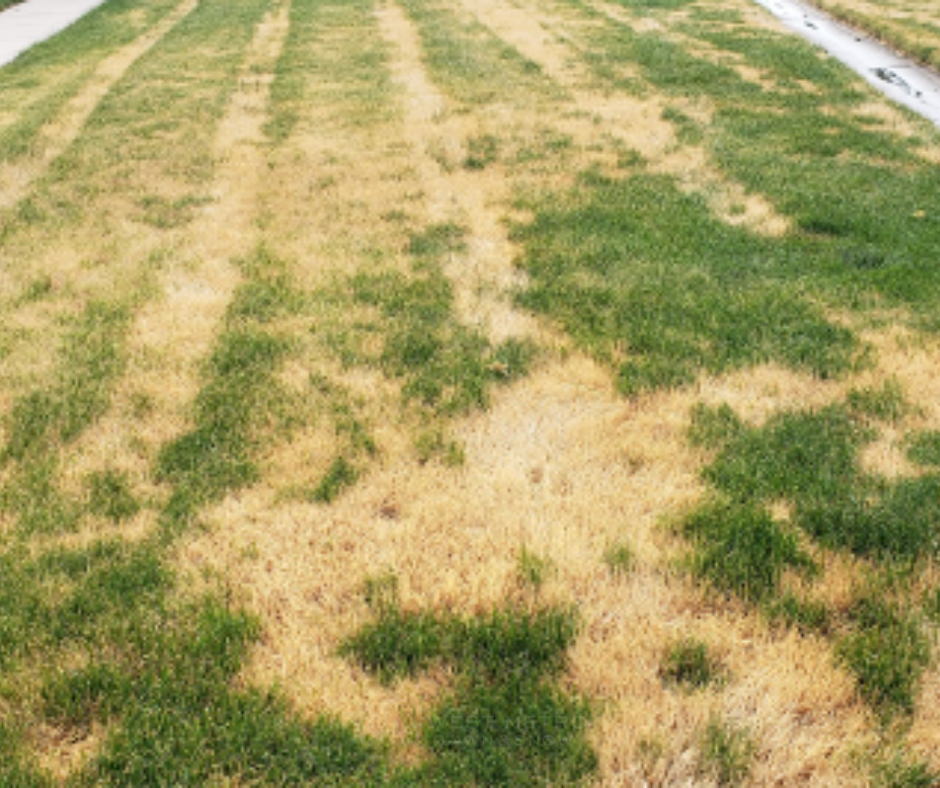
Lawn diseases can be hard to identify, particularly if you're not aware of the symptoms. Recognizing the signs early can help you prevent more extensive damage to your lawn. Here is a list of the most common lawn diseases found in Minnesota.
Ascochyta Leaf Blight
Ascochyta Leaf Blight is a stress-induced fungal disease found in lawns. It causes straw-like and bleached irregular patches in the grass that appear rapidly, oftentimes overnight. If you inspect infected blades of grass, you will notice that they look dead on the top and in the middle but are still green near the root. It is very uncommon for roots to be affected.
Dollar Spot
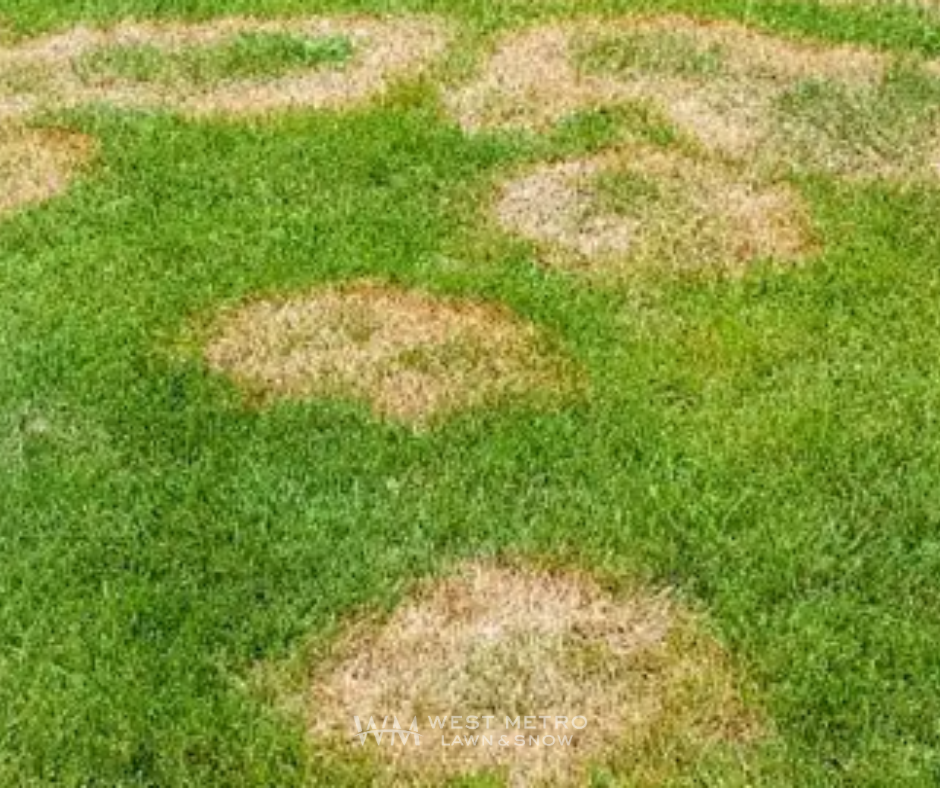
Dollar Spots are an invasive fungus that present as sunken patches which are very small and circular. Most frequently, the spots are the size of a silver dollar but can reach up to six inches in diameter on taller turf. Like many other lawn diseases, the Dollar Spots are straw-colored. However, they can initially appear as brown and are often found in clusters.
Brown Patch
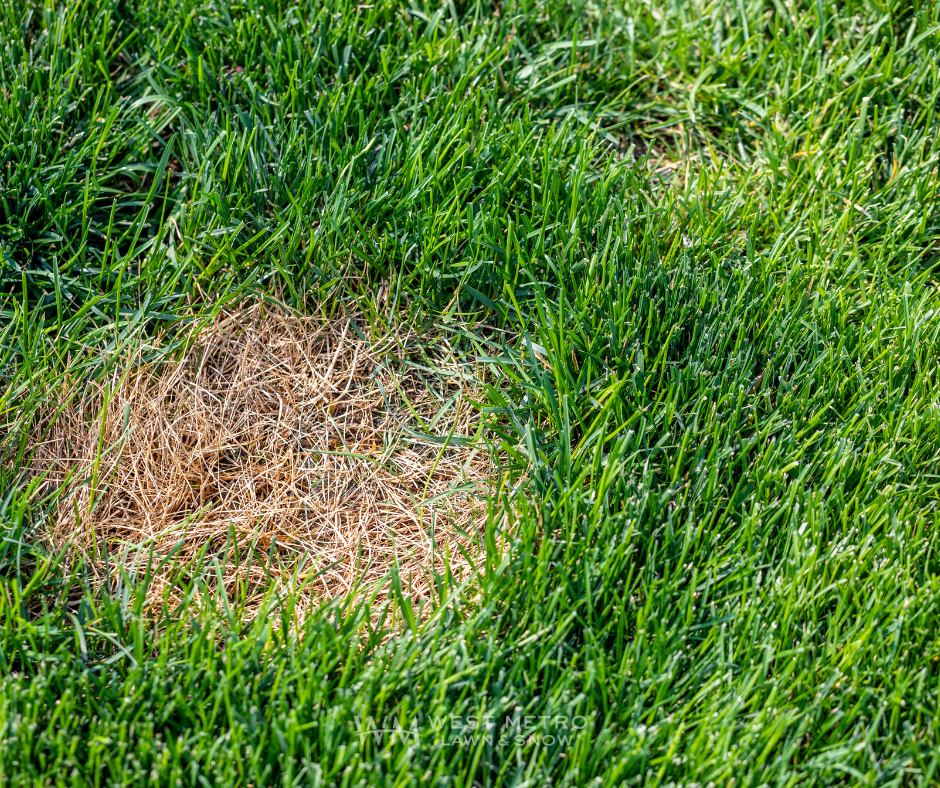
Brown Patch is an invasive fungus that causes patches of brownish-yellow grass. These patches differ from Dollar Spot in that they are irregular shaped and much larger. These patches often start around six inches in diameter but have been known to easily grow to multiple feet in diameter. Brown Patch most commonly occurs in higher temperatures and higher humidity levels.
Leaf Spot
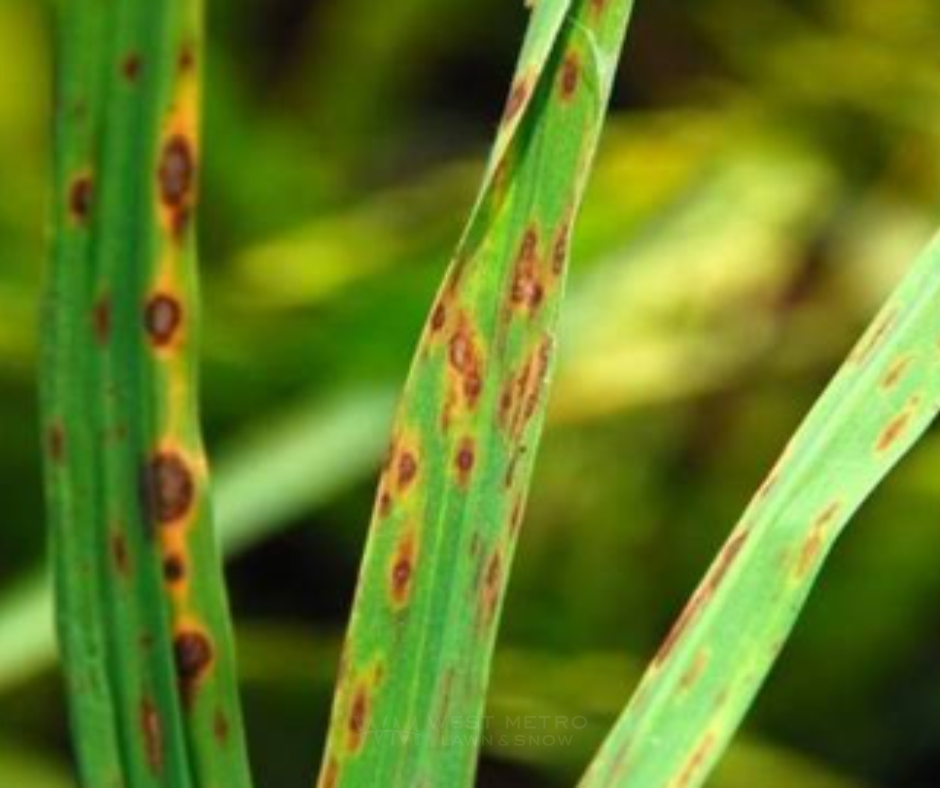
Leaf Spot presents as circular brown lesions on blades of grass. Grass infected by Leaf Spot will begin to appear yellowish and start to wilt, which often causes homeowners to incorrectly assume that their lawn is affected by drought stress. Subsequently, homeowners will over-water their lawn causing the disease to spread further.
Necrotic Ring Spot
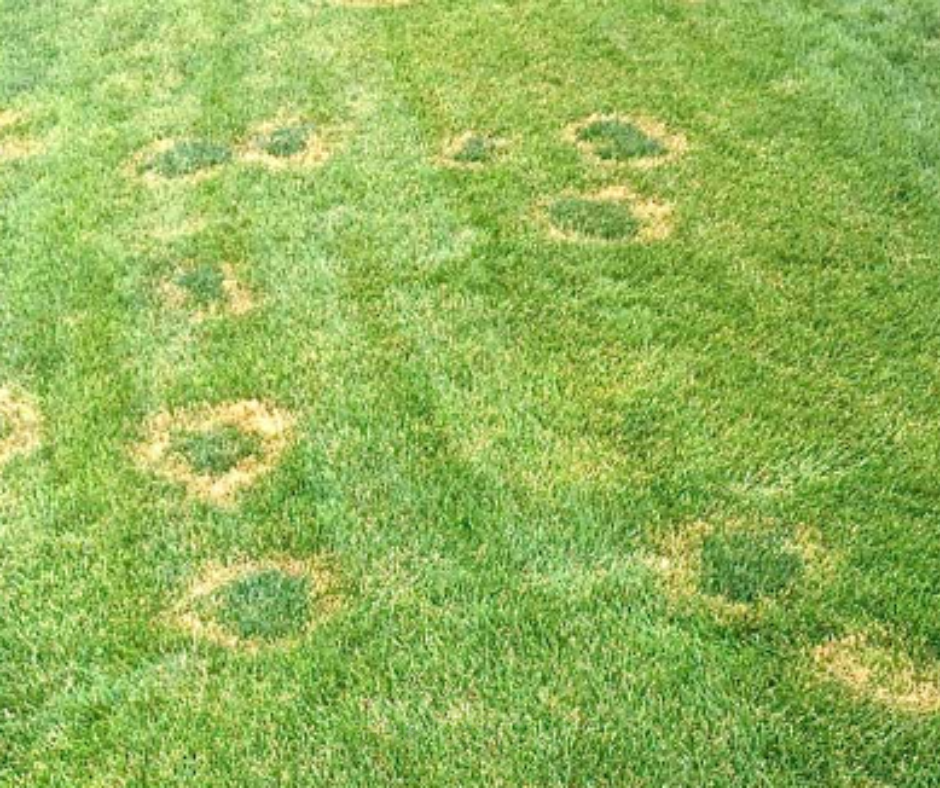
Necrotic Ring Spot initially presents as light green patches in lawns that range in size from a few inches to multiple feet in diameter. These patches gradually develop into bronze or straw-colored rings, with healthy, green grass in the center. This often creates a 'donut' or 'frog-eye' appearance.
Red Thread
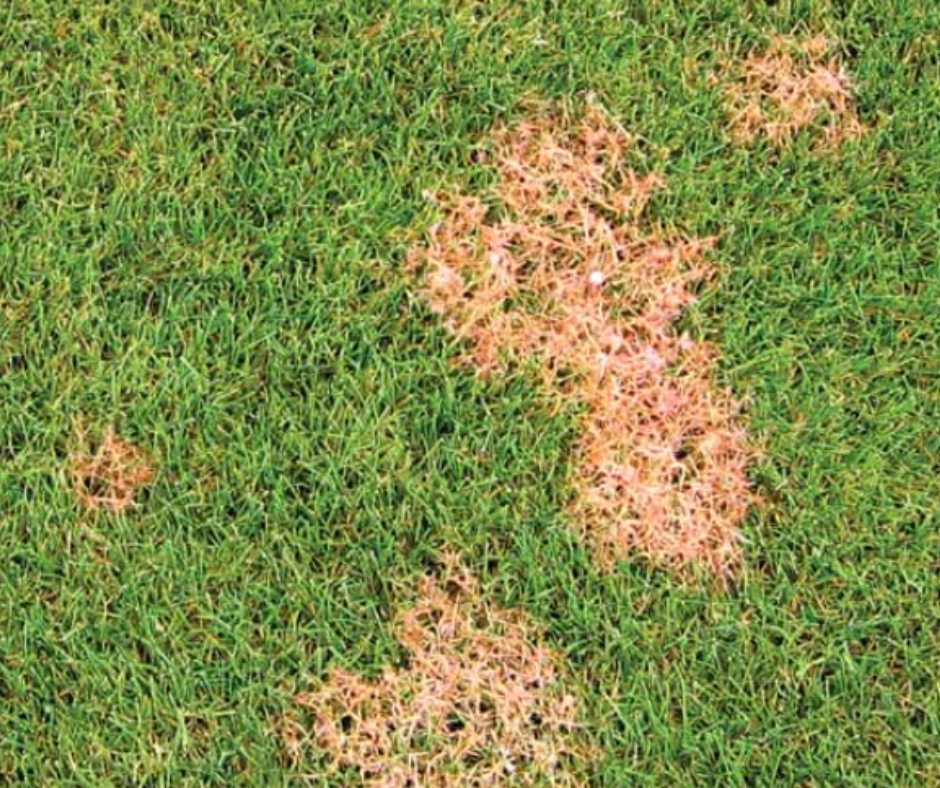
Red Thread is a fungal lawn disease that is easily identifiable by its pinkish-red thread-like strands of fungal mycelium. This lawn disease often develops during sustained periods of humid or rainy weather, and flourishes in temperatures between 40 degrees to 80 degrees.
Powdery Mildew
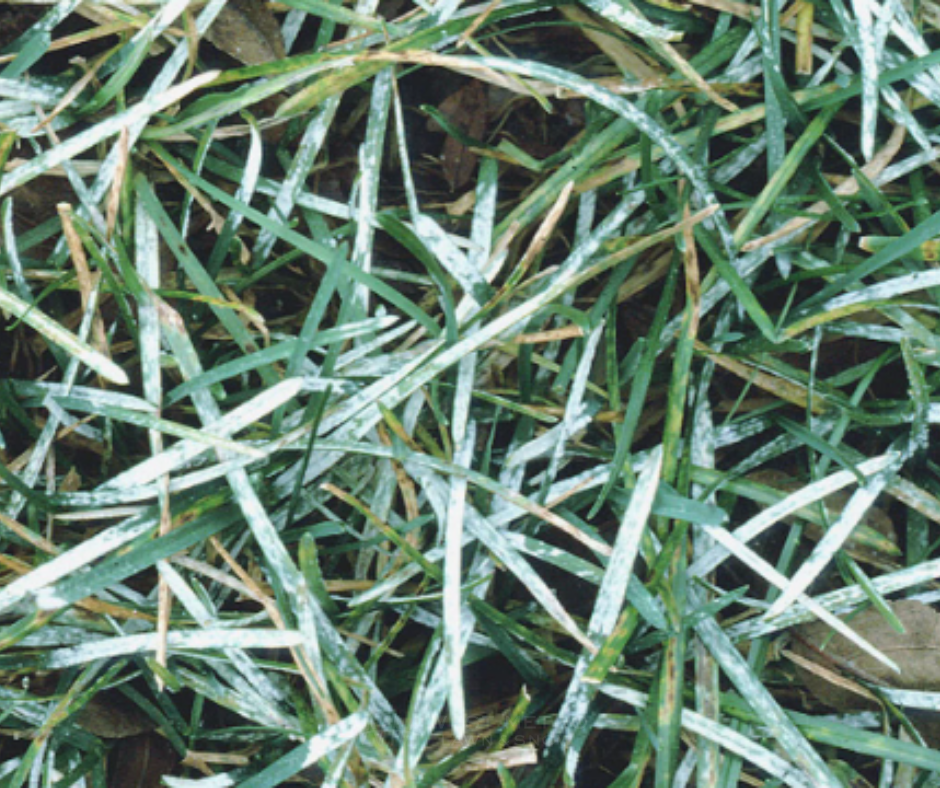
Powdery Mildew is a fungus that causes turf to appear as though it was dusted with flour, giving infected turf a 'powdery' appearance. This lawn fungus can occur on a vast variety of grass species, and thrives in elevated humidity, shaded areas, and areas with limited air circulation.
Pythium Blight
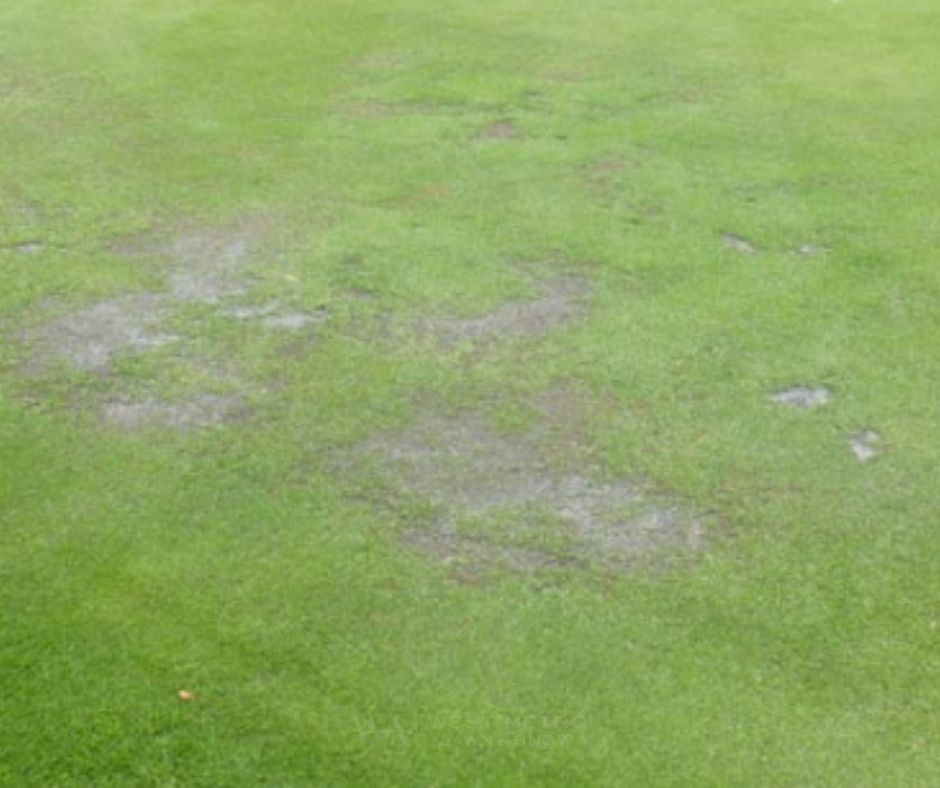
Pythium Blight presents as small dark patches in turf (often appearing black, orange, or purple in color). The small patches typically grow into much larger, irregular areas. Pythium Blight spreads quickly in ideal conditions: high temperatures, high moisture, and decreased air movement.
Rust Disease
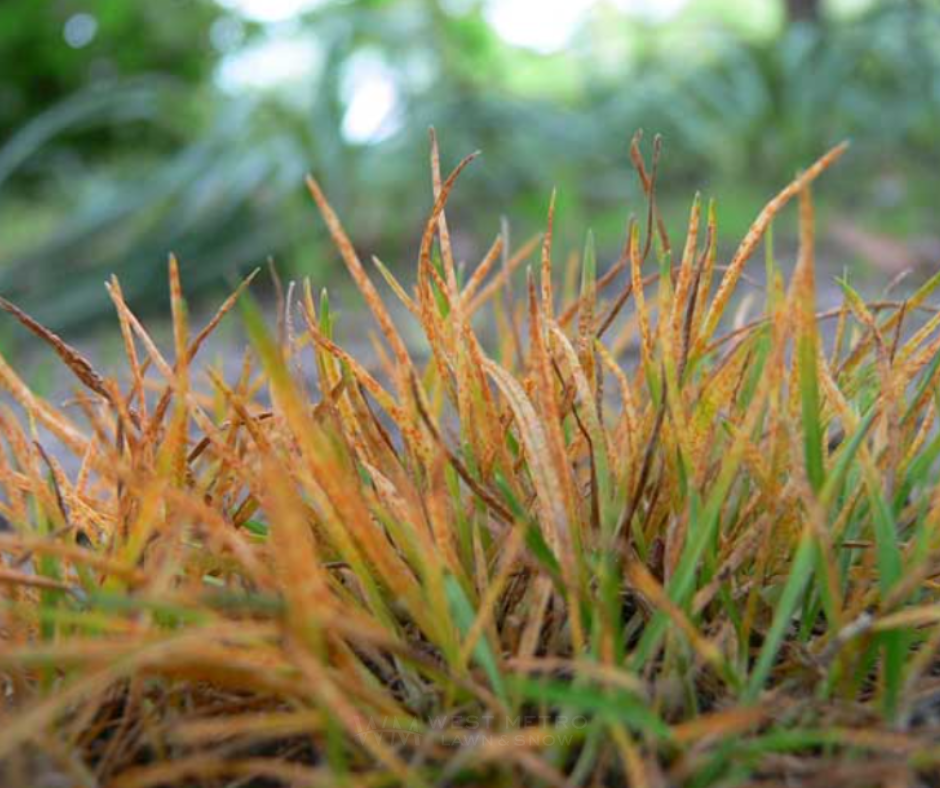
Rust Disease is easily identifiable because it causes an orange or rusty-colored powdery substance on blades of grass. The infected turf initially appears to have small, yellow spots but the spots quickly rupture into the powdery 'rusty' residue.
Snow Mold
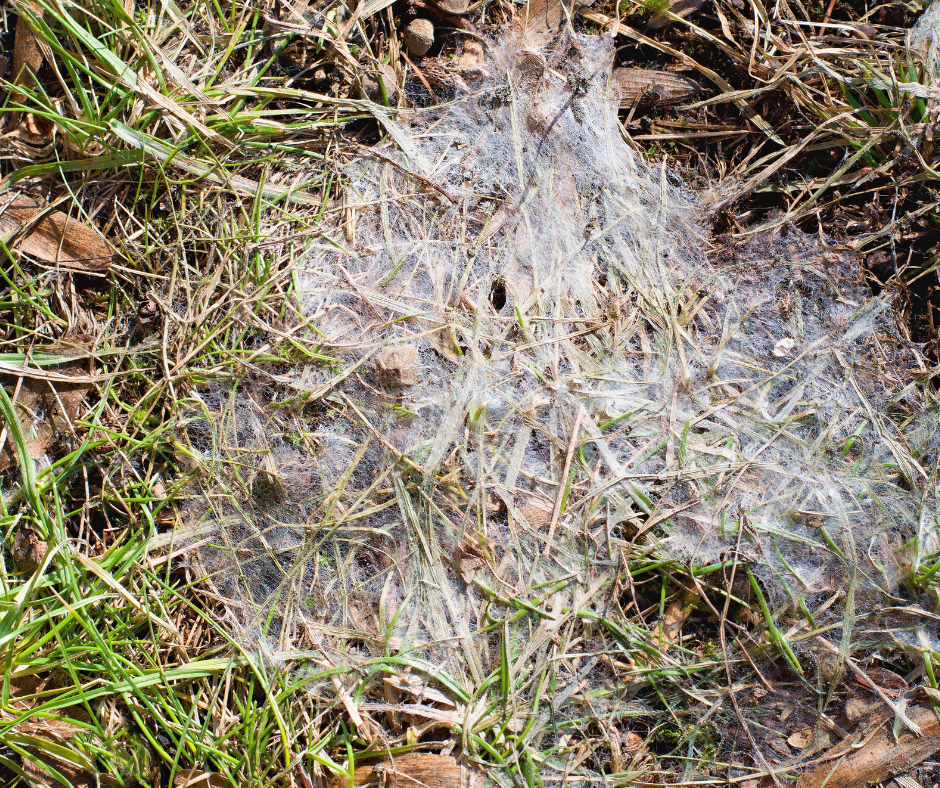
Snow Mold is a common fungal lawn disease that forms when snow or wet leaves cover turf for an extended period of time. The damage is typically noticed by homeowners in the Spring after the snow begins to melt. Snow Mold (both Pink and Gray) have a fuzzy, web-like appearance, typically in circles ranging from a few inches to a few feet in diameter.
How to Prevent Lawn Disease
At West Metro Lawn and Snow, we support a natural approach to correcting these common lawn diseases. This is because fungicide treatments kill both the bad and the good bacteria in your lawn, leaving your lawn far more susceptible for future issues.
Mow Regularly (and Correctly)
Ensure that your lawn is being mowed regularly and at the appropriate height. Grass that is allowed to grow too tall (or that is cut too short) is more susceptible to lawn fungus.
Water Deeply but Infrequently
Water your lawn deeply but less frequently. This encourages deep root growth, making your grass more resilient. Be sure to water in the early morning versus evening.
Fertilize Regularly
Regularly fertilizing your lawn will help to promote healthy turf growth and a lawn that is less likely to develop lawn fungus and disease throughout the Green Season.