
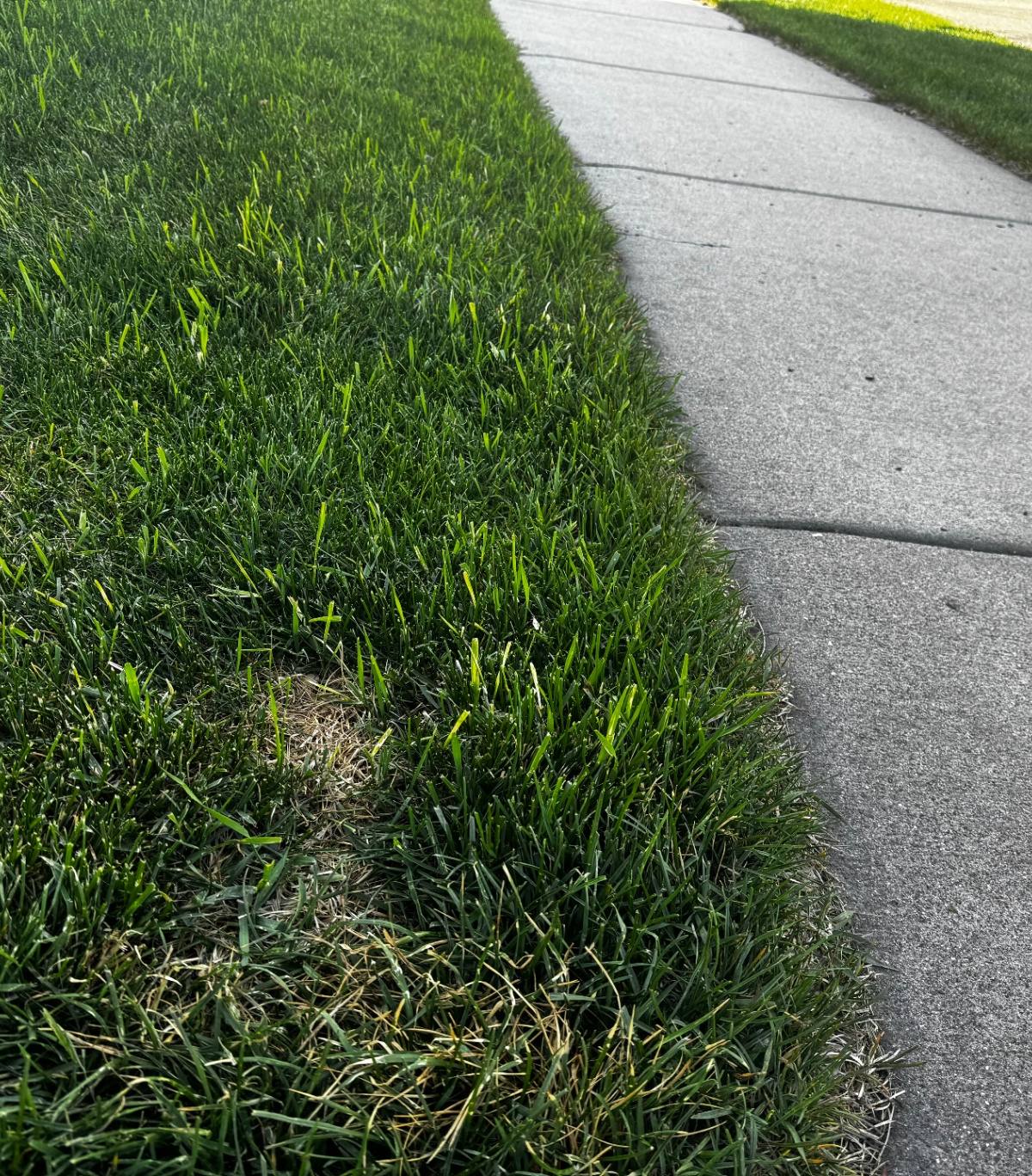
If you've noticed a patch of light green, coarse grass staging a takeover in your Minnesota lawn, you aren't alone. It's one of the most common headaches for homeowners in our area, and it goes by the name Quackgrass. Because it looks different from the rest of your turf, it's easy to assume a standard weed spray will clear it right up. However, managing Quackgrass requires a completely different approach than dealing with standard lawn weeds.
Weed or Undesirable Grass?
To understand why Quackgrass is so difficult to eliminate, it helps to understand exactly what is growing in your yard. For homeowners, it is crucial to understand the difference between Broadleaf Weeds (such as Dandelions, Creeping Charlie, and White Clover) and Undesirable Grasses (such as Quackgrass, Bentgrass, and Clumping Tall Fescue).
> Pro Tip: Check out our blog on Broadleaf Weeds vs. Undesirable Grasses.
Quackgrass is technically an undesirable grass, NOT a weed. Our Fertilization & Weed Control Program is highly effective at addressing and completely removing Broadleaf Weeds. However, because Undesirable Grasses share the same biological makeup as your regular lawn, certain undesirable grasses can only be suppressed, not eliminated entirely. There is currently no selective herbicide on the market that can target and kill Quackgrass while leaving your normal lawn turf unharmed.
How Our Program Helps
While we cannot eradicate Quackgrass, our program does include a specialized chemical called Mesotrione, which reacts with Quackgrass, causing it to brighten or turn a distinct whitish-yellow color. This makes it incredibly easy to see exactly where the problem areas are (and explains why some homeowners see the bright patches popping up after our visit). In addition, Mesotrione will halt the growth of Quackgrass and prevent it from aggressively spreading in your yard.
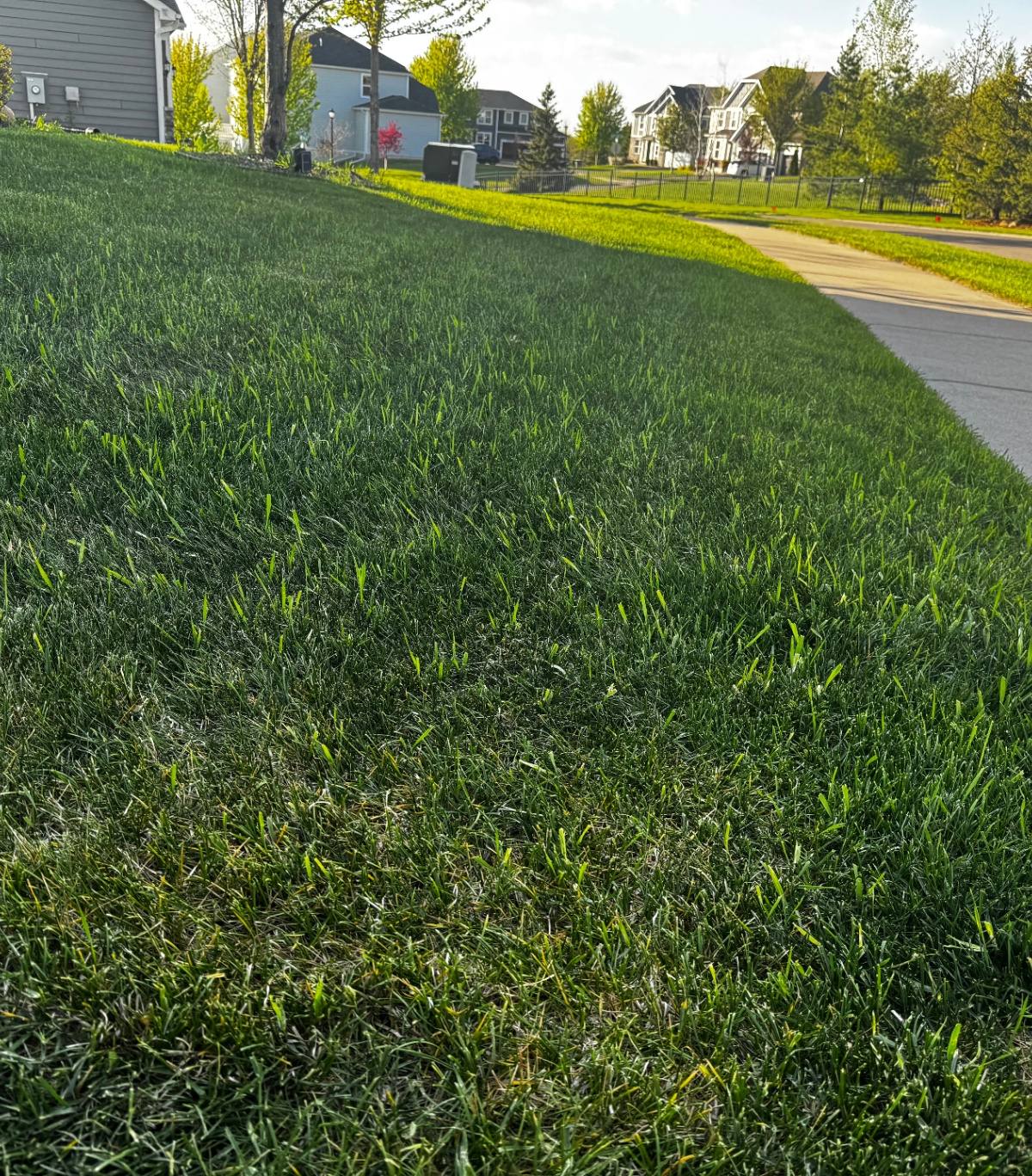
If You Want It Completely Gone
If suppression isn't enough and you want it completely gone, you have two primary options. Both require a bit of elbow grease and patience:
Manual Removal (Digging it Out)
If you only have a few small clumps, you can dig them out by hand. However, you must be incredibly thorough. Quackgrass spreads via an extensive underground root system (rhizomes). If you leave even a tiny piece of the root behind in the soil, a new plant will grow back.
The Non-Selective Route (Roundup)
You can treat the patch with a non-selective herbicide like Glyphosate (Roundup). The catch? Glyphosate does not discriminate — it will kill the Quackgrass, but it will also kill any good grass it touches. If you choose this route, you will be left with a bare brown patch that will need to be raked out and re-seeded.
The Bottom Line
Dealing with Quackgrass can be frustrating, but knowing what you're up against is half the battle. While our Fertilization & Weed Control Program will aggressively eliminate dandelions and clover, it acts as a shield against Quackgrass by brightening it for easy identification and suppressing its spread so your good grass has room to thrive. If you notice these bright patches popping up after our visit, rest assured that the treatment is doing its job to hold the line!
Have questions about your lawn? Send us an email today!