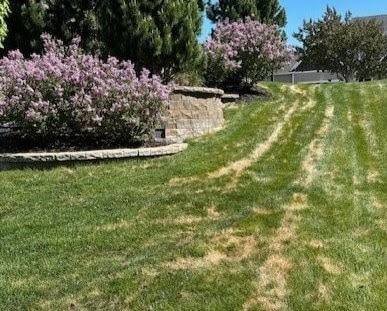

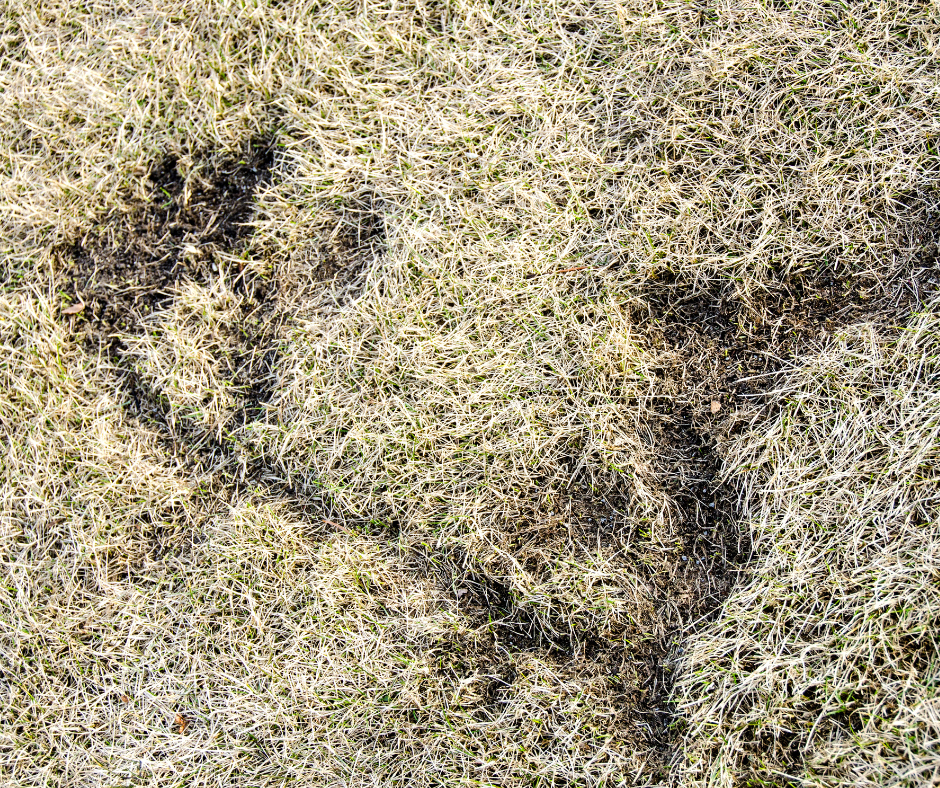
Most people meet their vole problem in April. The snow pulls back and there are winding trails chewed through the turf, bark stripped off young trees, and shallow tunnels that feel spongy underfoot.
None of that happened in April. It happened all winter, under the snow, while the lawn was invisible.
That is the important thing to understand about voles. By the time you can see the damage, the season that caused it is over. The work that matters happens in fall.
Why snow cover is the whole problem
Voles are small field mice. They do not hibernate, and they are prey for almost everything. In summer, crossing open lawn is dangerous enough that they mostly stay in cover.
Snow removes that constraint. Once there is a persistent layer over the lawn, voles live in the space between the soil surface and the underside of the snowpack, from hawks and owls, insulated from the cold, and surrounded by food. They spend the entire winter grazing grass down to the crown and gnawing bark, working across a lawn they would never have crossed in daylight in July.
A winter with early, deep, persistent snow cover produces far more vole damage than a winter with the same total snowfall spread across freeze and thaw cycles.
The signs
- Runways and trails, typically one to two inches wide, extending for several feet across the lawn
- Burrow openings, holes one to two inches in diameter, often in tall grass, mulch or beneath vegetation
- Girdling of trees and shrubs, gnawing on bark near ground level
- Feeding damage to roots, bulbs and lower stems of plants
- Tunnels in lawns, shallow runs where the turf feels spongy underfoot
- Droppings, which need no explanation
- Nesting materials built from grass and leaves in random spots on the lawn
What to do in fall, before the snow
This is the part that actually changes the outcome. Every item here takes an afternoon in October.
Cut the final mow short. Long grass going into winter is both cover and food. A lawn that goes under the snow at normal mowing height gives voles a place to work unseen. Dropping the last cut of the season shorter than usual removes most of that advantage. Our mowing service handles this as part of the final visit of the year.
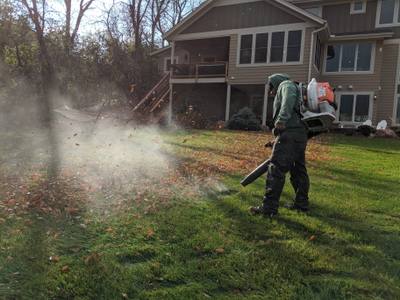
Clear the debris. Woodpiles, leaf piles, brush, and anything else sitting against the lawn is where voles overwinter and stage from. A thorough fall cleanup removes the habitat rather than the animal, which is the only approach that holds.
Pull mulch back from trunks. Mulch piled against a tree base is ideal vole habitat and puts them directly against the bark they want to chew. Pull it back three to four inches from every trunk.
Install tree guards. Hardware cloth or plastic trunk guards around young trees and ornamental shrubs, set a few inches into the soil and tall enough to clear expected snow depth. Girdling kills young trees outright, and a tree guard costs a few dollars.
Keep beds trimmed back. Perennials left standing tall through winter provide the same cover as long grass.
Fall is already the season for this kind of walk-through. If you are also on a snow contract, the same October afternoon covers both, since driveway prep before the first storm asks for many of the same things.
Repairing damage in spring
Vole trails are usually cosmetic. The grass is grazed down but the crowns often survive, and a healthy lawn fills most of it back in on its own by early summer.
For what does not fill in:
- Rake the trails out to lift matted grass and clear dead material off the crowns
- Reseed the bare runs, ideally with quality seed matched to the lawn. Grass seed in Minnesota covers what to look for
- Feed the lawn early so surviving turf spreads into the damage. Kentucky bluegrass fills in on its own if it has the nutrition to do it
- Assess tree damage honestly. A tree girdled all the way around the trunk will not survive, and no amount of care changes that
Our guide to assessing your lawn after the spring thaw covers how to tell vole damage apart from snow mold and other winter injury, which look similar at first glance and call for different responses.
In extreme cases
If the population is large enough that fall habitat work is not keeping up, trapping can reduce numbers, and a reputable pest control company can help. That is genuinely rare. For the large majority of properties in the west metro, a short final mow and a clean fall cleanup is the whole solution.